

Buying off-plan has become one of the most powerful strategies for Kenyans seeking long-term value, flexible payment plans, and future-proof housing. As Nairobi expands and satellite towns continue to thrive, off-plan developments offer opportunities that ready properties simply cannot match.

This comprehensive guide helps future homeowners and investors navigate the process with confidence — from understanding market trends to assessing developer credibility, construction transparency, pricing, and site progress.
Throughout the article, we highlight practical examples from current leading developments such as the Trident Estates Syokimau project, including its site progress and show-house timelines, to demonstrate how a well-managed development should operate.
Why Off-Plan Properties Are Gaining Massive Popularity in Kenya
Off-plan homes allow buyers to secure property at the earliest—and lowest—pricing stage. With improved infrastructure, rising urban migration, and evolving construction standards, more Kenyans are looking toward structured, future-forward developments for both living and investment.
Key advantages include:
Lower entry prices
Flexible instalment plans
High capital appreciation
Modern designs and amenities
Ability to monitor construction and request clarifications early
What to Look for Before Buying Off-Plan Property
To avoid common pitfalls, here’s a practical checklist based on best industry practices — the same standards followed by leading developers.
1. Developer Track Record & Transparency
Always assess:
✔ Past completed projects
✔ Pace of construction
✔ How frequently the developer gives site updates
✔ Clarity of communication
Example:
Developers like Trident Estates, currently delivering a modern residential project in Syokimau, issue frequent site updates and maintain open lines of communication. This level of transparency is what every buyer should expect.
2. Legal Approvals & Land Legitimacy
Due diligence is crucial. Confirm the following:
Title deed verification
Change-of-user approvals
County building permits
NEMA environmental approvals
Development plan approval
A reliable developer will provide all documentation without hesitation.
3. Construction Progress & Delivery Timelines
This is one of the strongest indicators of reliability.
A good development should have:
A clear construction schedule
Monthly or quarterly progress reports
Milestone-based payment plans
Evidence of on-ground activity
Example:
The Syokimau residential development by Trident Estates has already progressed past foundational stages, with superstructure works currently advancing. A show-house is under construction — scheduled for completion early next year — giving buyers tangible visibility of finishes before the development is completed.
This kind of documented progress reduces risk and boosts investor confidence.
4. Pricing, Value & Payment Flexibility
Off-plan allows buyers to pay in structured instalments aligned with actual construction milestones.
When choosing a development, consider:
Deposit amount
Number of instalments
Payment flexibility
Value comparison with similar projects
Capital appreciation potential
Tip:
Satellite towns like Syokimau, Athi River, and Ruiru tend to offer exceptional appreciation because of infrastructure, amenities, and proximity to Nairobi.
The Role of Show-Houses in Off-Plan Confidence
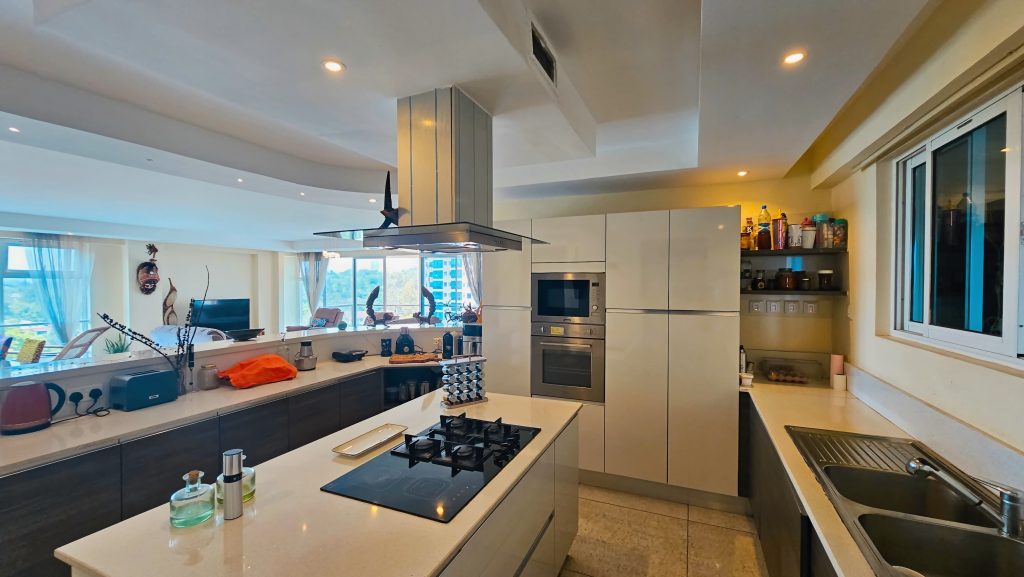
A show-house is a major buyer reassurance tool.
Why it matters:
Enables buyers to physically inspect finishes
Helps them understand room sizes
Builds trust in developer quality
Clarifies expectations
Example:
The Trident Estates Syokimau project is currently constructing its show-house, which will be ready early next year. Buyers will be able to tour the space, view material quality, inspect layouts, and confirm finish specifications — something every off-plan investor should insist on.
Site Progress Updates — What Buyers Should Expect
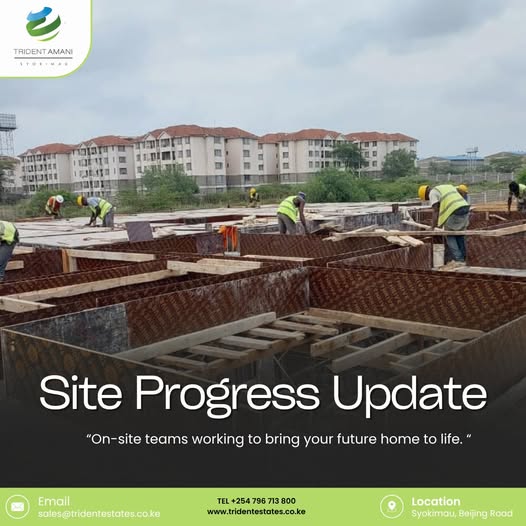
A serious developer provides consistent updates such as:
Foundation completion
Slab stages
Walling and superstructure
Roofing
Mechanical & electrical installations
Finishing stages
External works & landscaping
Real-world example:
The Syokimau development by Trident Estates has already:
Completed site preparation
Completed foundation for the first block
Begun superstructure works
Initiated construction of a fully furnished show-house
Scheduled early-next-year opening for buyer tours
Such visibility is critical for making informed decisions.
Risks of Off-Plan — and How to Mitigate Them
1. Delays in Delivery
Mitigation: Choose developers with milestone-based payments & documented updates.
2. Quality Concerns
Mitigation: Visit show-houses and inspect previous developments.
3. Title/Approval Issues
Mitigation: Work with a lawyer; ensure approvals are shared officially.
4. Price Escalation Risk
Mitigation: Lock in early-stage pricing and get contractual guarantees.
Reminder:
Leading developers, including Trident Estates, provide clear building approvals, documented progress, and physical show-houses — all strong indicators of reduced risk.
Your Off-Plan Buyer Checklist
Before you commit, ensure you have reviewed:
✔ Price & payment plan
✔ Title deed & approvals
✔ Contract clauses & timelines
✔ Construction progress
✔ Developer track record
✔ Finishing schedules
✔ Site visit opportunities
✔ Show-house availability
A good development makes all this accessible.
Conclusion — Why Off-Plan is the Smartest Move Now
Off-plan homes in Kenya continue to offer unmatched benefits in pricing, design flexibility, capital appreciation, and long-term value. With infrastructure opening up new prime zones like Syokimau, the opportunity for early movers is stronger than ever.
Projects that offer transparency, documented progress, and show-house access — such as the Trident Estates Syokimau development — position buyers for both security and long-term value.
If you are planning to buy a home or invest in high-growth real estate, now is the best time to take advantage of structured off-plan opportunities in the market.